(
)
Stop Optimizing Pages. Start Optimizing Journeys
Your landing page has a 4% conversion rate. You run an A/B test, change the button color, tweak the headline, and bump it to 4.3%. Victory, right?
Wrong. You just optimized a single moment in a multi-step journey: and missed the real conversion killers hiding upstream and downstream.
Here's the uncomfortable truth: page-level optimization is dead. In 2026, the businesses winning at conversion rate optimization aren't the ones testing buttons. They're the ones treating every touchpoint: from ad click to checkout confirmation: as part of one integrated system.
This is journey optimization. And if you're still thinking in terms of "landing pages," you're already behind.
Why Page Optimization Fails (And Always Has)
Traditional CRO treats your website like a collection of isolated pages. You optimize your homepage. Then your product page. Then your checkout. Each one gets its own test, its own hypothesis, its own "winner."
The problem? Your customers don't experience your site that way.
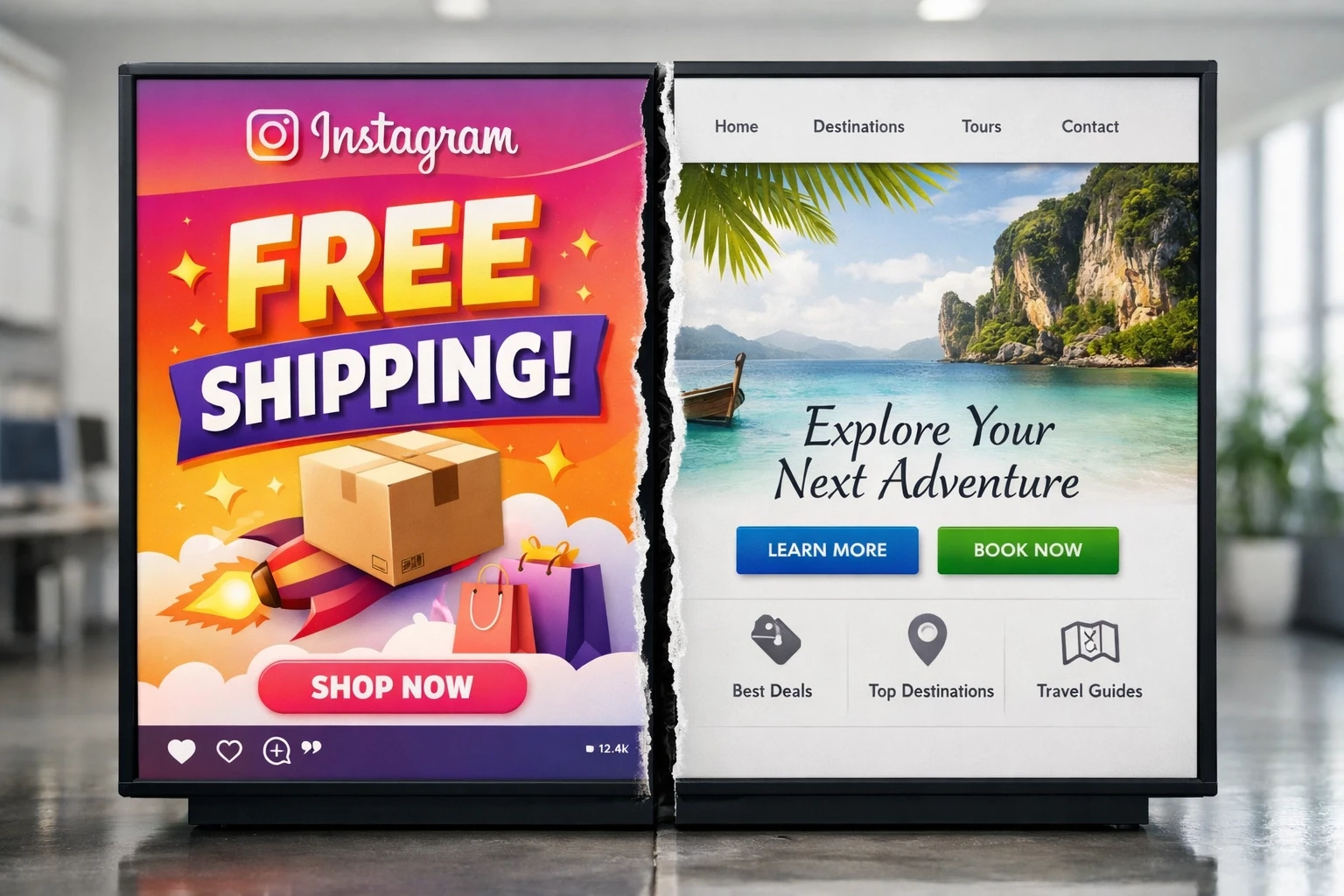
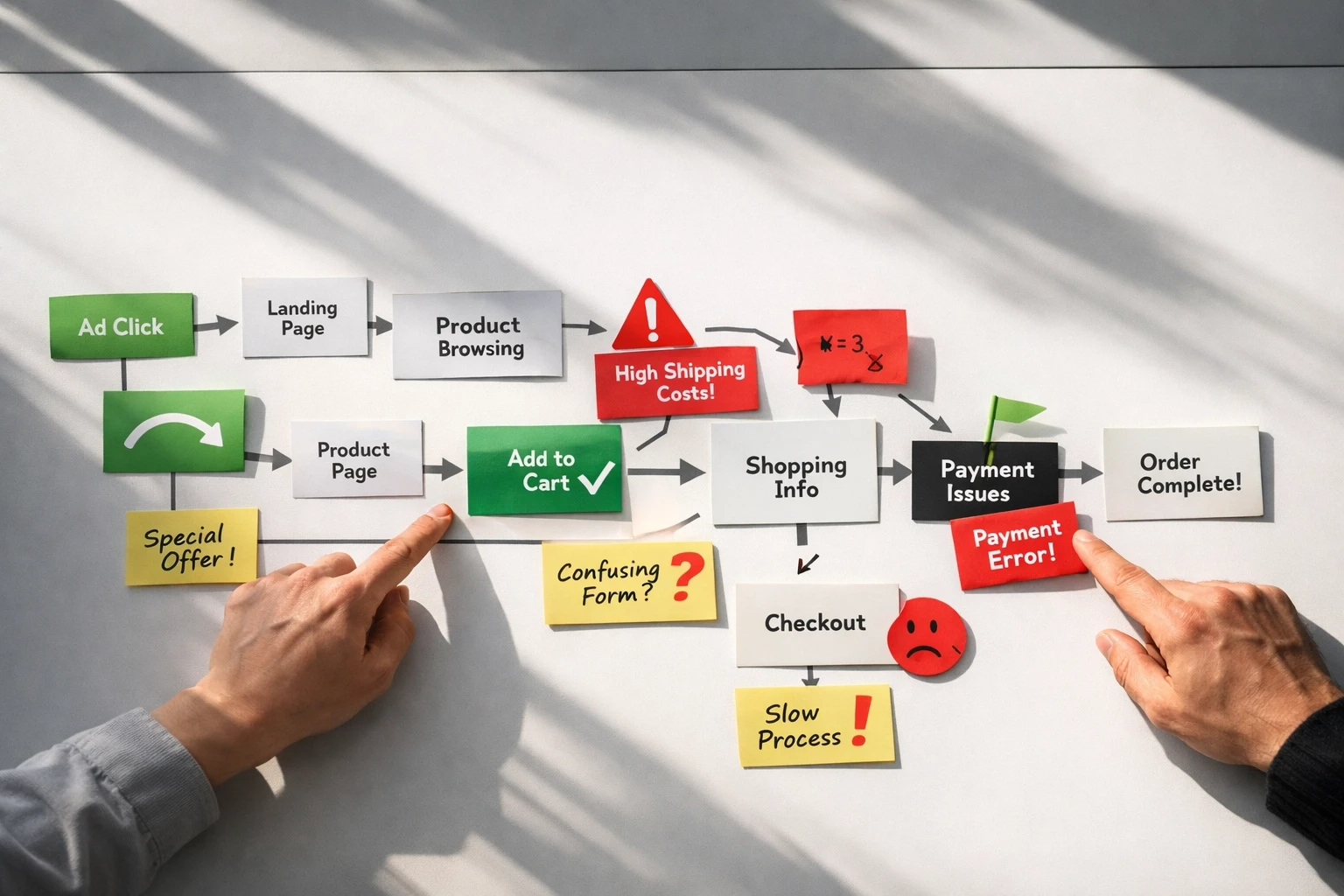
They see an ad on Instagram promising free shipping. They land on a page that doesn't mention it. They add to cart, only to discover fees at checkout. Then they bounce: and your analytics tell you the checkout page "needs work."
But the real issue started three steps earlier, when your ad set an expectation your landing page failed to reinforce. You can't fix a journey problem with a page solution.

This is why businesses with "optimized" landing pages still see 70%+ cart abandonment. They're solving for symptoms, not systems.
The Journey Optimization Mindset
Journey optimization starts with a simple shift: instead of asking "what's wrong with this page?", you ask "what belief needs to change for someone to move forward?"
Every conversion is the result of a series of micro-decisions. Your customer decides to click your ad. Then decides to stay on your landing page. Then decides to add to cart. Then decides to complete checkout.
At each step, they're weighing friction against motivation. Your job isn't to optimize pages: it's to reduce friction and reinforce motivation across every step.
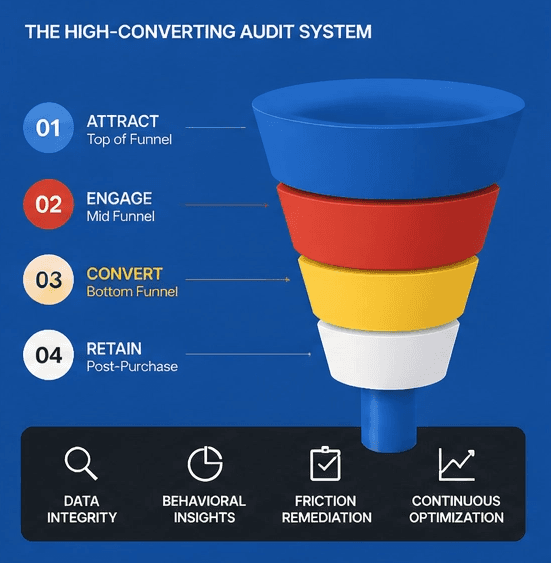
This requires treating your conversion funnel as an interconnected system where message, trust, and clarity compound (or collapse) across touchpoints.
The Five Pillars of Journey Optimization
Message Match
Your landing page should feel like a continuation of the ad or email that brought someone there: not a random destination.
If your Facebook ad says "Get 20% off your first order," your landing page headline better lead with that exact promise. Not "Welcome to our store." Not "Shop the collection." The exact promise.
Message match eliminates the split-second confusion that causes 50% of paid traffic to bounce within three seconds. When visitors see immediate proof they're in the right place, they stay. When they don't, they leave.
Example: An ecommerce brand selling sustainable activewear ran ads emphasizing "plastic-free packaging." Their landing page led with product features: fabric, fit, style. After redesigning the page to open with the packaging promise (matching the ad), bounce rate dropped 28% and add-to-cart rate increased 19%.
Decision Flow
Every page should answer one question: "What happens next?"
If your visitor has to hunt for the CTA, decode your navigation, or guess what action you want them to take, you've introduced friction. Decision flow means making the next step obvious, easy, and inevitable.
This applies to landing pages, product pages, and especially checkout. Remove distractions. Eliminate unnecessary form fields. Make the path forward unmistakable.
Trust Sequencing
Most sites treat trust signals like an afterthought. Reviews go at the bottom. Guarantees hide in the footer. Security badges appear only at checkout.
Journey optimization flips this. You place reassurance before resistance.
If price anxiety typically hits at checkout, introduce your money-back guarantee on the product page. If shipping cost is a deal-breaker, surface it early. If social proof converts skeptics, put reviews above the fold.
Trust sequencing means meeting objections before they become bounce triggers.
Checkout Confidence
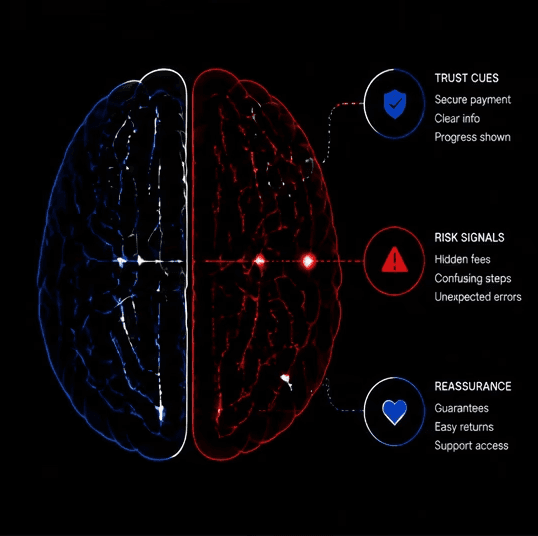
Cart abandonment isn't a checkout problem: it's a confidence problem.
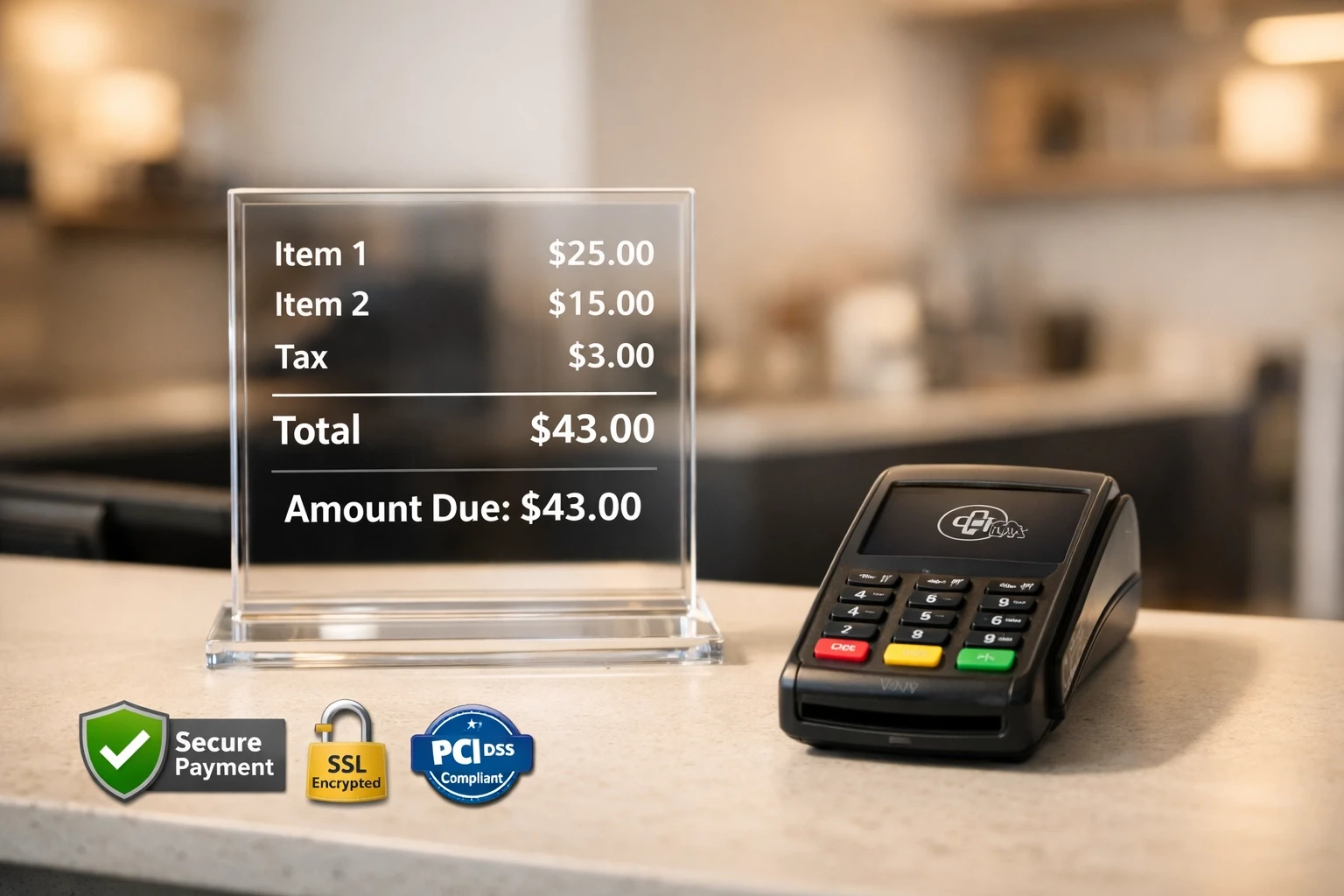
Hidden fees, unexpected shipping costs, complicated forms, unclear return policies: these are journey killers. By the time someone reaches checkout, they've already invested time and intent. Don't lose them to surprise friction.
Optimize for transparency (show total costs early), simplicity (guest checkout, autofill, single-page forms), and reassurance (visible security, clear return policy, support access).
Example: A SaaS company offering a free trial found that 62% of users who started signup didn't finish. The problem wasn't the form length: it was the lack of clarity around billing. After adding a simple note ("You won't be charged until day 15, and you can cancel anytime"), completion rate jumped 34%.
From Random Tests to Strategic Systems
Here's where most CRO efforts go wrong: they test without thinking.
You run an A/B test because you "should be testing." You try a new headline because a competitor's looks better. You move elements around hoping something sticks.
Journey optimization replaces this randomness with structure. Before you test anything, ask three questions:
What belief needs to change? (Does your visitor trust you? Understand your value? Feel urgency?)
What friction needs to be removed? (Confusing copy? Too many steps? Unclear pricing?)
What reassurance needs to be added? (Social proof? Guarantees? Transparent pricing?)
Every test should map to a specific behavior barrier and a clear hypothesis. "If we reduce pricing confusion by showing total cost upfront, we'll increase checkout completion by X%."
This turns CRO from guesswork into a systematic, repeatable process.
Building Your Journey Optimization Roadmap
Journey optimization isn't "launch and forget." Your traffic sources change. Your offers evolve. Customer expectations shift. Your CRO strategy needs to adapt with them.
Start by mapping your full customer journey: from first touchpoint to post-purchase. Identify the drop-off points. Look for message mismatches, trust gaps, and friction points across steps (not just within individual pages).
Then prioritize based on impact. A 5% improvement at the top of your funnel compounds through every downstream step. A 5% improvement at checkout only affects people who made it that far.
At DEUX Labs, we build journey-based optimization roadmaps that prioritize high-leverage changes and tie every test to measurable business outcomes: not just vanity metrics.
Getting Started with Journey Optimization
Ready to shift from pages to journeys? Here's your roadmap:
Audit your entire funnel end-to-end. Look for message mismatches between ads, landing pages, and checkout. Identify where visitors drop off and why.
Map friction points across touchpoints. Is your pricing unclear until checkout? Does your landing page fail to reinforce the ad promise? Are trust signals buried?
Build hypotheses, not hunches. Every optimization should answer: what behavior barrier are we removing, and how will we measure success?
Test sequentially, not randomly. Start with the highest-leverage changes (top-of-funnel message match, trust sequencing) before micro-optimizing button colors.
Measure journey metrics, not page metrics. Track conversion rate across the entire funnel: not just individual page performance.
Journey optimization isn't more work than traditional CRO. It's smarter work. Instead of running endless tests hoping for incremental wins, you're building a conversion system that improves with every iteration.
The 2026 Advantage
The brands dominating conversion in 2026 aren't the ones with the flashiest landing pages or the most A/B tests. They're the ones treating conversion as a system: understanding that every touchpoint either builds momentum or kills it.
Your visitors don't see pages. They experience journeys. It's time your CRO strategy caught up.
Start optimizing journeys today and watch your conversion rates: and revenue: climb.
More Insights
Explore ideas, tips, and trends to elevate your brand.