(
)
How AI Shopping Agents are Redefining the Future of Conversion Rate Optimization
Your conversion rate isn’t just competing with other websites anymore. It’s increasingly competing with AI assistants that can compare options, pick a best fit, and route a buyer to a decision—sometimes before your homepage really gets a chance to persuade.
What are AI shopping agents?
AI shopping agents are tools that research, compare, and sometimes complete purchases for a user by pulling information from sites, feeds, and APIs.
AI shopping agents act on your customer’s behalf. They can research options, compare trade-offs, and sometimes complete the next step without that person manually browsing every page.
That’s what makes them different from a basic chatbot. Instead of just answering questions, they can move through the full decision flow in a way that feels more like a very efficient buyer.
Think of them as literal-minded personal shoppers. They don’t respond to clever copy the way humans do, and they care a lot about whether your information is clear enough to trust.
If you want a sense of where this is heading, see:
Gartner coverage on AI agents and enterprise purchasing (often published as forecasts and press releases): https://www.gartner.com/en/topics/artificial-intelligence
IBM’s consumer research and reports (varies by year and region): https://www.ibm.com/thought-leadership/institute-business-value
Why do traditional conversion assumptions break when agents enter the journey?
Traditional page persuasion matters less when an agent pre-filters options. What matters more is whether your offer is easy to extract, compare, and verify.
Classic optimization assumes a person lands on your site, clicks around, gets persuaded, and converts. That model still matters, but it’s no longer the whole story.
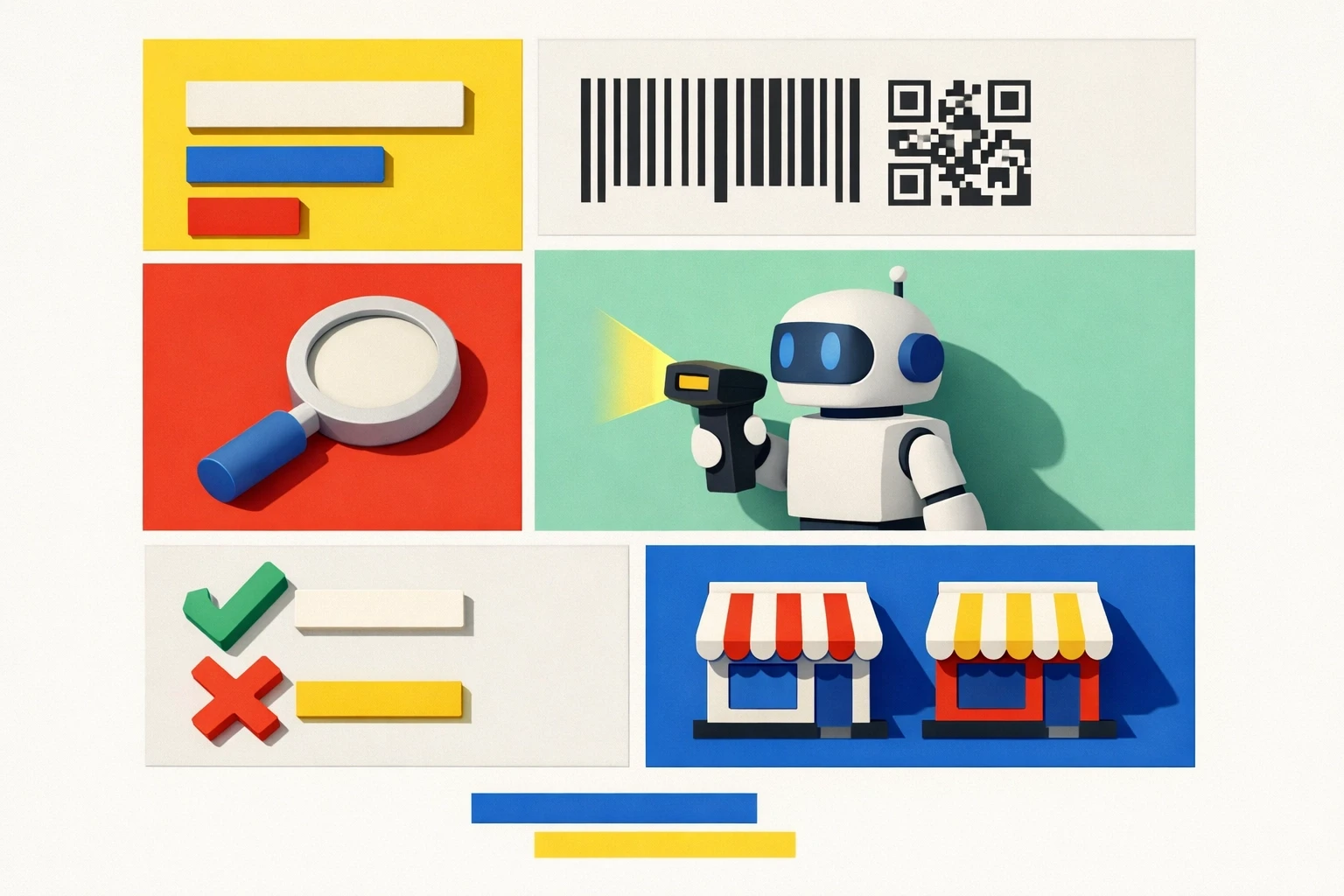
Agents don’t browse the way humans do. They look for signals they can parse quickly, like pricing, availability, constraints, proof, and policies.
When an AI agent evaluates your site, it’s not reacting to the vibe of your hero section. It’s looking for structured data, plain-language clarity on what you sell and who it’s for, and trust signals it can verify.
If it can’t extract those things confidently, it may move on fast. In practice, that means you can lose consideration before your actual page experience has a chance to do its job.
For broader context on AI’s impact on commerce and revenue flows, McKinsey publishes ongoing research here: https://www.mckinsey.com/capabilities/quantumblack/our-insights
What does the data actually say about AI-assisted shopping performance?
Reported lifts can be meaningful in specific contexts, but results vary a lot by category, intent, and implementation, so benchmarks are directional rather than guaranteed.
When AI helps shoppers decide, it can reshape your funnel. This tends to matter most for large catalogs, high-consideration purchases, and situations where “finding the right fit” is the main friction.
The catch is that a lot of stats about AI shopping lump together very different systems. Recommendation engines, guided selling flows, support automation, and autonomous agents are not the same thing, even if they all get grouped under the same headline.
If you’re evaluating claims like “AI engagement converts better,” look for:
Traffic mix: Was it high-intent visitors or general discovery?
Definition of engagement: A chat opened? A guided quiz completed? A purchase completed by an agent?
Incrementality: Did the AI add net-new conversions, or just re-attribute existing ones?
Time horizon: One promo period vs. a stable multi-month view
That filter matters if you’re a DTC or SaaS leader making investment calls. You’re not just asking whether AI looks impressive. You’re asking whether it changes revenue quality, buying speed, and the efficiency of the journey.
For ongoing research on AI + commerce outcomes (including case studies and meta observations), start with McKinsey’s insights hub: https://www.mckinsey.com/capabilities/quantumblack/our-insights
What is “bot-readability,” and why does it matter now?
Bot-readability means your offer is easy for machines to extract and compare, including price, inventory, policies, proof, and positioning, not just easy for humans to skim.
For years, the main question was whether a search engine could understand your page. Now there’s a second question: can an AI agent understand your offer well enough to summarize it, compare it, and trust it?
Ranking still matters, but it’s not the finish line anymore. If an agent can’t reliably extract your pricing, positioning, and proof, you can get left out of the shortlist or represented poorly.
What bot-readable sites tend to have in common:
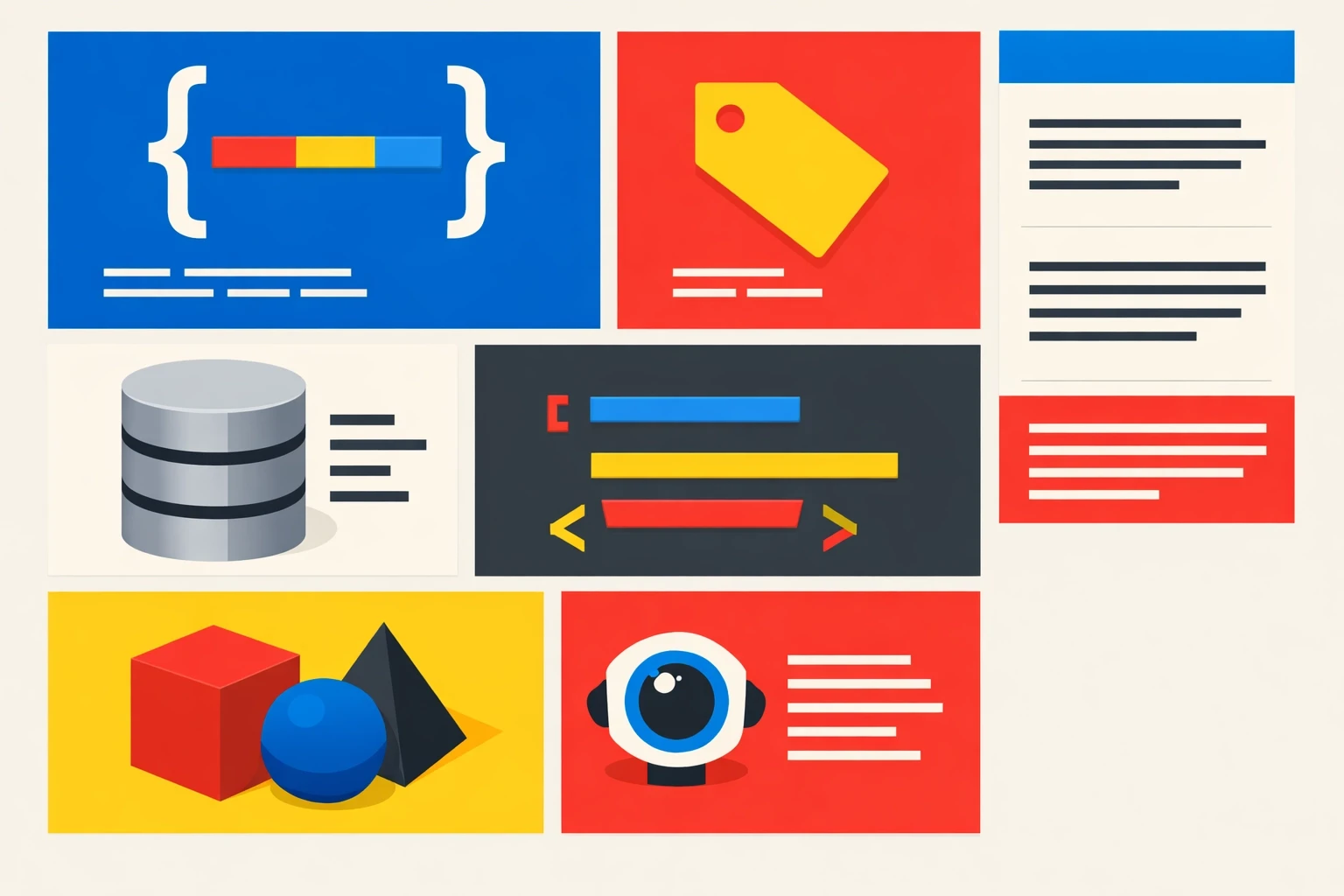
Structured data markup: Schema.org tags that spell out what you sell, pricing, availability, and reviews. (Schema docs: https://schema.org/)
Clear value propositions: Agents don’t decode clever headlines. They respond to plain specifics like “CRM for real estate teams under 50 employees.”
Machine-readable FAQs: Agents pull from FAQs to answer questions. Short, direct answers tend to survive summarization better than marketing copy.
API access (when relevant): Some agents can transact through integrations. If checkout or lead flows can’t be accessed cleanly, you’re harder to buy from.
A practical example: a project management SaaS tightens its homepage copy, adds structured pricing information, and publishes a cleaner comparison table. A few weeks later, more qualified demo requests show up, not because the product changed, but because automated research tools can finally extract and compare the offer cleanly.
The short version is simple: if a machine can’t read your offer cleanly, you’re forcing your next buyer to work harder too.
What trust signals can AI agents reliably use?
Agents can only use trust signals they can extract and verify. Structured reviews, specific metrics, and clearly stated policies beat vague claims every time.
People buy on instinct more than they admit. Agents don’t have instincts, so they rely on inputs they can validate and summarize.
When an agent evaluates your site, it’s usually looking for proof like this:
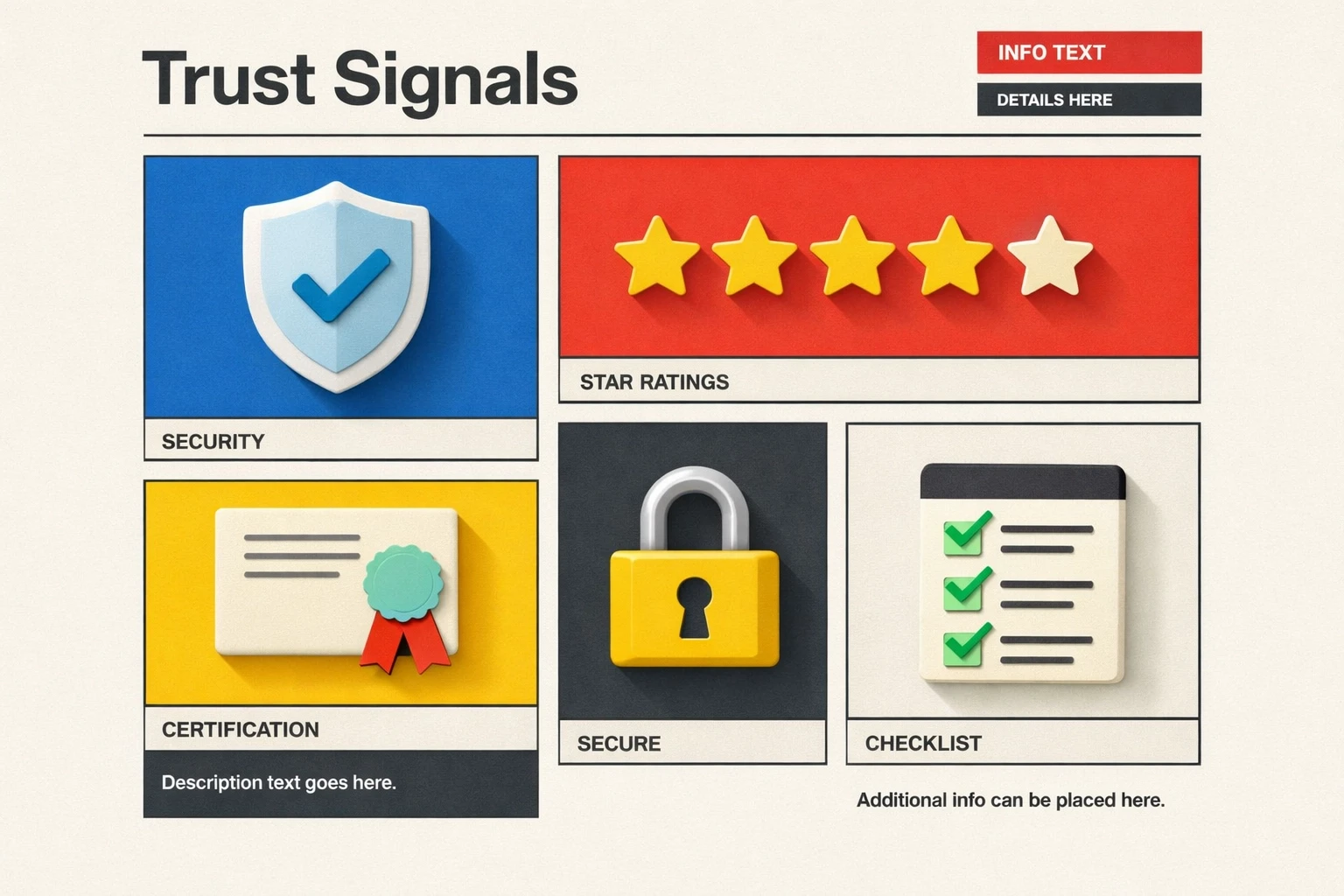
Third-party reviews: Ratings from platforms like Trustpilot, G2, or Capterra tend to be easier to validate than on-page testimonials.
Case studies with metrics: Concrete numbers are machine-friendly. “Improved efficiency” is hard to use; “reduced processing time by 40%” is extractable.
Security and compliance signals: Clear privacy/security pages, SSL, and relevant certifications reduce perceived risk.
Policy clarity: Shipping, returns, cancellations, warranties, and support hours written in plain language reduce ambiguity.
A simple rule helps here: if your proof lives only in a PDF, an image, or a vague claim, an agent may not interpret it confidently. Humans might still trust it, but automated comparison systems may discount it.
How does agentic commerce show up across different industries?
This isn’t just an e-commerce story. Anywhere people compare options, whether that’s products, software, or vendors, agents can shape what gets shortlisted and what gets ignored.
This matters anywhere buyers are trying to reduce effort. If someone is comparing offers, filtering options, or validating fit, an agent can end up influencing the decision before a sales call or product page visit does.
E-commerce
Pricing and merchandising agents can monitor competitor pricing and adjust offers without someone babysitting spreadsheets all day. Upsell and cross-sell also get smarter when recommendations react to what’s actually in the cart, not just generic rules.
SaaS
Agents compare tools the way a sharp ops manager would: features, pricing tiers, integrations, and whether the product fits a specific setup. If your pages don’t clearly say who it’s for, what it replaces, and what it integrates with, you’re easy to eliminate.
B2B and professional services
Procurement teams already use structured vendor comparisons. Agents make that faster by pulling service packages, outcomes, timelines, and compliance signals into a shortlist.
If your offer isn’t presented in a way that’s easy to extract, you may not even make the conversation. That’s a strategic problem, not just a content problem.
How does real-time personalization change when agents are involved?
AI systems can tailor information and offers faster than classic testing cycles, but you still need guardrails, measurement, and a clear reason behind each change.
Traditional A/B tests can be slow. You wait for traffic, then significance, then ship a version that’s best on average.
AI-driven systems can personalize much faster, sometimes within the same session, based on behavior and context. The practical shift is speed: instead of a few static experiences per quarter, you may end up running many small adaptations continuously.
Common patterns:
If a shopper stalls at checkout, a system might emphasize shipping cost, returns, or payment options more clearly.
If a B2B buyer lingers on pricing, the experience might surface implementation details, security documentation, or a comparison view.
The goal isn’t automation for its own sake. It’s reducing dead ends so people, and agents acting for them, can reach a confident decision with less friction.
What changes operationally when optimization becomes more autonomous?
Teams spend less time shipping tiny manual updates and more time on governance, data quality, measurement, QA, and choosing the right problems to solve.
The biggest shift is internal. You spend less time pushing micro-updates by hand and more time setting standards, reviewing outputs, and protecting quality.
AI can help with catalog hygiene, tagging, and keeping product information consistent across channels. It can also speed up experimentation by generating variations, monitoring results, and suggesting next tests.
But more autonomy creates more responsibility:
Data quality controls (bad inputs create confidently wrong outputs)
Brand and policy guardrails (so personalization doesn’t contradict your actual terms)
Measurement discipline (incrementality, not just surface-level lift)
Risk management (edge cases, fairness, regulatory considerations)
Customer support often benefits too, especially for repetitive questions like “where’s my order” or “what’s the return window.” Clearer, more extractable answers reduce unnecessary inbound volume.
How do you start optimizing for AI shopping agents?
Start with machine-readable basics: structured data, clear positioning, verifiable proof, and FAQs or policies written so they can be quoted accurately.
You probably don’t need a rebuild. You need more clarity, more structure, and better proof on the pages that already carry buying intent.
Audit your structured data: Use Google’s Rich Results Test to confirm product or service details, pricing, and availability are machine-readable: https://search.google.com/test/rich-results
Rewrite value propositions for clarity: Trade clever for clear. Say what it is, who it’s for, and key constraints like pricing model, minimum contract, or compatibility.
Centralize trust signals: Put reviews, case studies, and certifications somewhere easy to find, and mark them up where possible.
Make your FAQs quote-friendly: Keep answers short, specific, and factual. Avoid fluffy language that gets distorted in summaries.
Check transactional accessibility: If you rely on integrations, feeds, partner marketplaces, or APIs, confirm your critical steps and data stay consistent across them.
Pick one high-intent page, whether that’s a top product page, a plan page, or a pricing-plus-FAQ hub. Make it easier to extract and verify, then monitor what changes in assisted conversion paths and qualified leads.
Clear offer language, cleaner proof, and machine-readable structure are the building blocks that make every later tactic more useful.
Frequently asked questions
What is agentic commerce?
Agentic commerce is when AI systems handle shopping tasks like researching, comparing, and sometimes completing purchases on a user’s behalf.
Agentic commerce refers to AI-powered systems that execute buying tasks with limited manual input. That can include researching products, comparing prices, and moving a purchase forward based on user preferences.
How are AI shopping agents different from chatbots?
Chatbots answer questions. Shopping agents handle larger workflows and can move from research to action.
A chatbot usually responds to prompts inside a fixed interface. An AI shopping agent can work across multiple steps and sources, including comparing options and helping finalize decisions.
Do you need to replace your current conversion strategy?
No. You still need to perform for human buyers, but you also need your offer to be readable and usable for machines.
Your existing optimization work still matters because people are still part of the journey. The shift is that you now need to support an additional decision layer where agents parse, compare, and summarize your offer before a person fully engages.
What’s the biggest risk of ignoring AI shopping agents?
The biggest risk is invisibility. You can lose consideration before a buyer ever reaches a serious evaluation stage.
If your site isn’t readable enough for AI-driven comparison, competitors can get recommended instead. In many cases, the buyer won’t even know you were a possible option.
How quickly can you see results from optimizing for AI agents?
It depends on your category, traffic mix, and implementation quality, but clearer structure and proof can start improving assisted buying paths quickly.
There isn’t a universal timeline you can trust across every business. The safer view is that machine-readable improvements can start helping as soon as they make your offer easier to extract, compare, and trust.
More Insights
Explore ideas, tips, and trends to elevate your brand.